Shift work does not stop for a certification deadline, and neither should your options for getting certified. Whether you are a bedside nurse rotating nights, an EMS provider bouncing between stations, or an office manager coordinating CPR training for a whole team, the assumption that flexible scheduling means a watered-down class is simply wrong. AHA-aligned BLS, ACLS, PALS, and CPR courses can be arranged around real-world calendars when you know which levers to pull: location, format, timing, and planning horizon. Best Emergency Services Training builds its course structure around exactly these levers. The strategies below break down how to use each one so certification fits your schedule instead of the other way around.
1. Onsite Group Training
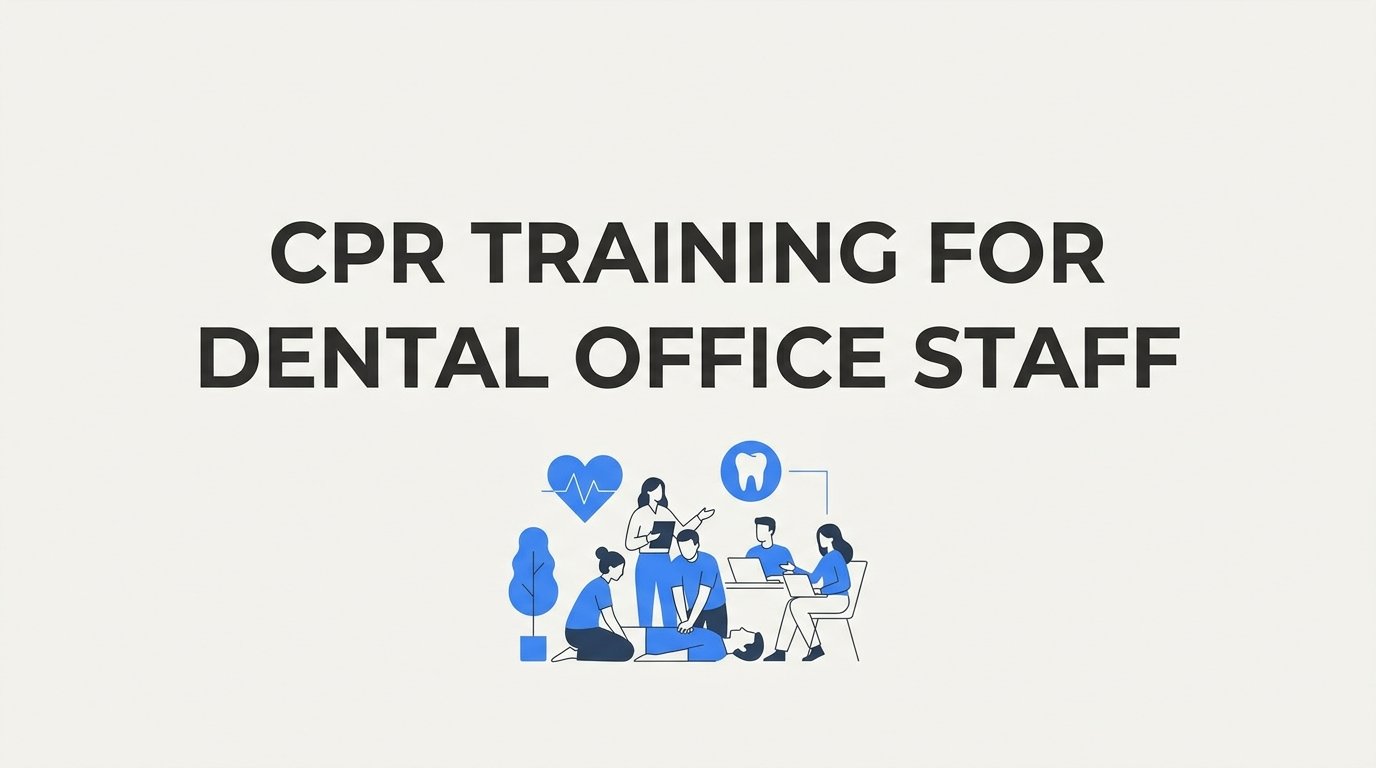
Onsite training works by removing travel time from the equation entirely. Instead of six people each losing half a day to drive to a public class, an AHA-authorized instructor brings the manikins, AEDs, and course materials directly to the workplace, and the group trains together during a single scheduled block.
Consider a clinic with six staff members due for BLS renewal. Rather than staggering them through separate public sessions over several weeks, the office books one onsite session during a slow Tuesday afternoon. Everyone is certified by the end of the day, and patient coverage barely changes.
- Contact the training provider and confirm minimum group size requirements.
- Select a date and time that fits a natural lull in patient or client volume.
- Choose an on-site room with enough floor space for hands-on skills practice.
- Confirm the course type and card needed for every attendee in advance.
The most common mistake is assuming any conference room will do. Compression practice and manikin stations need real floor space, and a cramped room slows the session down for everyone. Walk the space beforehand, or ask the provider what square footage they recommend per learner. To know the strategy is working, track how many staff get certified per session against how many individual off-site trips that replaced.
2. One-on-One Home Instruction
Private, in-home instruction exists for the learner whose schedule does not match any group's. Because the session is built around one person, the instructor can meet at hours a public class would never offer, and the learner never has to wait for someone else's slot to open.
Suppose a night-shift nurse finishes an overnight rotation at 7am and is too exhausted to sit through an evening public class two days later. A home visit scheduled for 9am the same morning, right after the shift ends, fits her actual rhythm instead of forcing her into a generic evening slot.
To arrange this, request private instruction when you book rather than defaulting to the standard group offering, provide a few windows of availability, and make sure there is enough clear space at home for skills testing, similar to what a classroom would provide. The pitfall here is cost blindness: one-on-one sessions carry a higher per-person rate than group classes, and some learners commit before comparing that cost against simply waiting a few extra days for a group opening. Weigh the price difference against how much a delay would actually cost you in missed shifts or compliance deadlines. Measure success by comparing the time between your booking request and completed certification against how long you would have waited for the next available group class.
3. Multiple Offsite Locations
Travel time is often the hidden cost of certification, and a provider with several regional locations can cut it dramatically. Instead of one central office serving an entire metro area, multiple sites let learners pick whichever is closest to where they actually spend their day, whether that is a hospital, a clinical rotation site, or a satellite office.
Picture a nursing student completing a rotation across town from her school's main campus. Rather than driving back to a single central training office, she books her BLS course at a location near the hospital where she is already working that week, saving an hour of driving each way.
When evaluating this option, ask the provider for its full current list of active locations, since these can change, and confirm each site offers the exact course and card type you need, not a shortened regional variant. That is the common misstep: assuming a satellite location runs an informal or abbreviated version of the class. AHA course content and skills testing requirements should be identical across every location a provider operates, and it is worth confirming that directly before you book. Track this strategy by the reduction in commute or travel time learners report compared to their default option.
4. Blended Learning Format
Blended learning splits a course into two parts: self-paced online modules covering the cognitive material, followed by an in-person skills check session where an instructor verifies hands-on competency. This structure exists because AHA requires in-person skills verification for BLS, ACLS, and PALS, even in a blended format, so no certification is truly complete without a face-to-face component as of 2026.
For example, a returning ACLS provider who has held the certification before and is comfortable with the algorithms completes the online cognitive modules over a weekend at home, then attends a 90-minute in-person skills check on a weekday evening to confirm the certification.
To use this format, confirm your provider offers an AHA-recognized blended course option, finish the online portion before your scheduled in-person date, and book the skills check session once you're ready. The mistake to avoid is choosing blended format as a first-time learner who has never practiced compressions, airway management, or team dynamics under supervision. Blended courses assume some baseline familiarity, and a first-timer usually needs the full hands-on practice time that a traditional classroom course provides. Measure this strategy by comparing your total in-person hours against a traditional full-length class. If the online prep genuinely cuts your in-person time without cutting corners on skills verification, it is working as intended.
5. Evening and Weekend Sessions
Standard business hours exclude a huge share of the healthcare workforce, from EMS crews on rotating shifts to hospital staff working nights. Providers that schedule classes on evenings and weekends are directly addressing the population most likely to need flexible certification in the first place.
An EMS worker whose rotation makes every weekday session a conflict might attend a Saturday morning PALS course instead, fitting certification into the one predictable block in an otherwise unpredictable week.
Because class schedules shift week to week depending on instructor availability and demand, the right move is to ask the provider directly which days and times are currently open before you commit to anything. The common mistake is relying on an outdated schedule found on a website or in an old email rather than confirming current openings directly with the provider. To gauge whether a provider is a genuine fit for shift workers, ask what percentage of their available session times fall outside the standard 9 to 5 weekday window. A provider with a healthy mix of evening and weekend slots is built for flexibility, not just offering it as an occasional exception.
6. Recertification Window Planning
Most of the stress around certification scheduling is self-inflicted by waiting too long to plan a renewal. AHA cards commonly carry a two-year validity period as of 2026, though it is worth confirming the current requirement for your specific course, and building in a buffer before that expiration date turns renewal into a scheduling emergency.
A nurse who notes her BLS card's expiration date the day she receives it, then sets a reminder to book renewal 90 days before that date, will almost always find an open slot that fits her schedule. Compare that to someone who remembers only when a manager flags an expired card during an audit.
- Record the exact expiration date the moment you receive a new certification.
- Set a reminder for 60 to 90 days before that date.
- Book your renewal session as soon as that window opens, rather than waiting for a deadline to force the issue.
The mistake that trips up even experienced professionals is letting the card lapse entirely. Depending on the course and how long it has lapsed, a fully expired certification can require a longer initial course rather than a streamlined renewal, costing more time than the delay ever saved. Measure your own track record by comparing how many of your certifications get renewed before expiration versus after a lapse. That single ratio tells you whether your planning system is actually working.
7. Group and Organizational Rate Negotiation
When an entire unit or department needs certification at once, the negotiation is not just about price. It is about scheduling control, specifically the ability to request session times and formats that protect staffing levels rather than accepting whatever slot a provider defaults to.
A hospital unit facing a full staff BLS renewal might negotiate two half-day sessions scheduled across different shifts, so the unit is never left short-staffed and patient coverage is maintained throughout.
To do this well, approach the provider as an organization rather than a collection of individual bookings, clearly explain your staffing constraints, and ask for specific session times along with a written make-up policy for anyone who cannot attend the scheduled slot. That last part matters: the common mistake is agreeing to a plan verbally and assuming it will hold, only to find there is no clear policy when someone calls in sick or a shift changes unexpectedly. Get scheduling commitments and make-up terms in writing before the session date. Track success by the percentage of staff who get certified without creating a coverage gap on the floor. That number tells you whether the negotiated structure actually protected your staffing plan.
8. Accommodations for Physical Limitations
Skills testing assumes a certain physical baseline, compressions, positioning, repeated movement, and a learner recovering from an injury or managing a mobility limitation may need the testing adapted rather than skipped. Providers that plan for this in advance keep the certification standard intact while adjusting how it is demonstrated.
Imagine a learner recovering from a shoulder injury who calls ahead of a scheduled BLS class to arrange modified compression testing and a bit of extra session time to complete the skills check comfortably and safely.
The right approach is to raise this early: ask about accommodation options when you first book, and describe your specific limitation in enough detail that the instructor can plan for it. The mistake that causes real problems is waiting until the day of class to mention a limitation. At that point, an instructor may have no way to adjust the session on the spot, and the learner risks an incomplete or rescheduled certification. Whether the accommodation worked comes down to one clear measure: did the learner complete certification in the originally scheduled session, without needing a repeat visit.
Building a Schedule That Actually Holds
If you are responsible for a team's certification status, start with recertification window mapping paired with onsite or group training. Together, these two strategies prevent the time crunches that make every other flexible option feel necessary in the first place. When expiration dates are tracked months in advance and a group can train together on-site, you rarely find yourself scrambling for a last-minute evening slot or negotiating a rushed one-on-one session. The other strategies on this list are tools for the exceptions: the injured team member, the traveling rotation, the individual whose shift truly does not match any group offering. Used together, they turn certification scheduling into a planned process instead of a recurring source of stress.
Don't let certification deadlines stress you out. Get your AHA, ECSI or HSI-certified CPR training completed quickly with flexible scheduling that works around your life. Schedule your personalized training session today and join the thousands of individuals and businesses who trust Best Emergency Services Training for fast, convenient certification with expert instructors.