If you need CPR, BLS, ACLS, or PALS cards for a clinic, office, school, or household, the hardest part is often getting people to a classroom at the same time. This guide is for office managers, clinical supervisors, and individuals who would rather have hands-on training come to them or fit around a tight schedule. The providers below were compared on delivery model, certifying body, how scheduling and group pricing work, and whether the resulting card is likely to be accepted where you need it.
Quick Comparison of Mobile CPR Training Options
- Best Emergency Services Training: best for healthcare professionals and individuals wanting AHA cards with fast, personal scheduling; pricing on its website; offers one-on-one home instruction with accommodations for physical limitations.
- American Red Cross: best for organizations that want a recognized national brand; pricing varies by course and region; pairs blended learning with workplace group classes under one national name.
- AHA Training Centers (Find a Course): best for buyers who want to locate an authorized center themselves; pricing set by each center; gives direct access to the AHA course network.
- National CPR Foundation: best for self-directed learners whose employer accepts online-only cards; pricing on its website; the fastest self-paced online route on this list.
- HSI (Health & Safety Institute): best for employers needing workplace safety and first aid compliance; pricing set by local instructors; combines ASHI and MEDIC First Aid programs with OSHA-oriented content.
- CPR Select: best for small and mid-size workplaces within its region; quote-based; scheduling built around group bookings at client locations.
- Local Fire Department and EMS Community CPR Programs: best for community groups and budget-conscious lay rescuers; often low-cost or free; taught by active emergency responders.
- NAEMT Affiliated Training Sites: best for EMS agencies and prehospital clinicians; pricing set by each site; offers EMS-specific advanced education beyond standard CPR cards.
1. Best Emergency Services Training
Best Emergency Services Training provides American Heart Association BLS, ACLS, PALS, and CPR courses for healthcare professionals, workplaces, and individuals. Classes run at onsite group sessions for businesses, at multiple offsite locations, or one-on-one at a learner's home. It is built for people who need a valid AHA card quickly and want an instructor who pays attention to them rather than a crowded room.
Its clearest distinction on this list is one-on-one home instruction combined with accommodations for physical limitations. Most other providers here assume a learner can attend a standard class or a group session. A nurse recovering from an injury, an older caregiver, or a person who struggles with a typical manikin setup can get a session adapted to them, and still leave with an AHA card.
Main features
- AHA BLS, ACLS, PALS, and CPR courses, so one provider covers both healthcare and non-healthcare needs.
- Onsite group training that brings an instructor to your office or clinic and keeps a team on one schedule.
- One-on-one home instruction for learners who cannot or prefer not to travel.
- Multiple offsite locations for individuals who want a standard class setting.
- Accommodations for physical limitations, so skills practice and testing can be adapted.
Setup, limits, and cost
Setup is light: you choose a course and format, then agree on a date and location. There are no software integrations, and for group bookings a manager or administrator typically coordinates the roster. The main limitation is geography. Best Emergency Services Training serves a regional area, so confirm that your address or worksite is covered before you plan around it. Pricing depends on the course and format, and group or onsite sessions are likely to be priced differently from individual classes. Current rates are listed on its website as of 2026.
Best for: Healthcare professionals and individuals wanting AHA cards with personalized, fast scheduling.
2. American Red Cross
American Red Cross is a national nonprofit that teaches CPR, AED use, first aid, and BLS for healthcare providers. It suits organizations that want a widely recognized name on the card and are comfortable with either blended or fully instructor-led delivery.
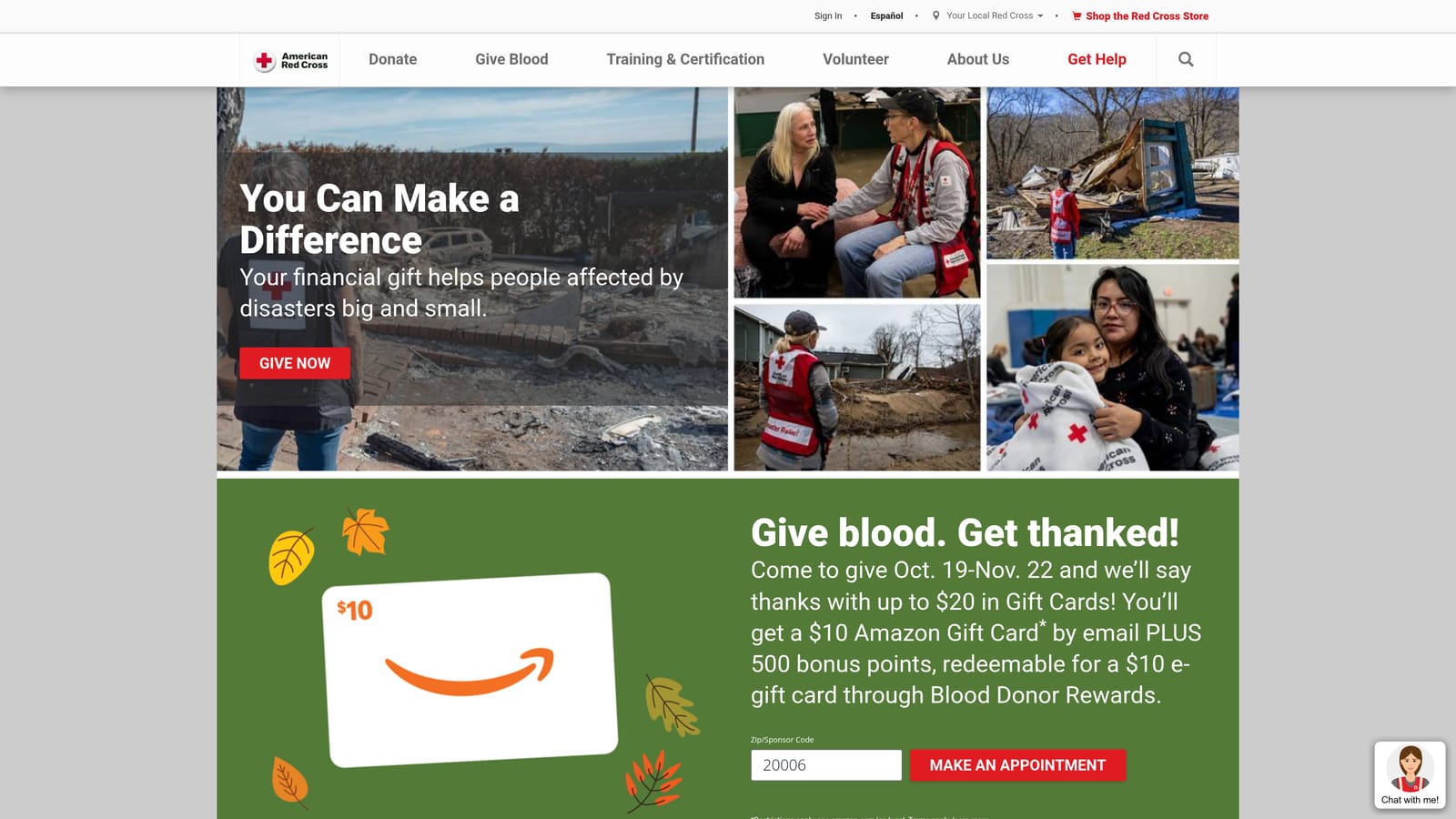
What sets it apart is the combination of national recognition and mature blended learning. Learners complete the cognitive portion online, then finish with an in-person skills session. HR teams and compliance officers tend to recognize the brand immediately, which can shorten the "will this be accepted" conversation.
- CPR, AED, and first aid courses that cover typical workplace and lay-rescuer requirements.
- BLS for healthcare providers, aimed at clinical staff who need a provider-level card.
- Blended learning that moves lectures online and shortens the time spent in the room.
- Workplace group classes for teams that want to train together.
Setup usually runs through its course finder or a group-training inquiry, and there are no integrations to configure. The day-to-day work of scheduling falls to whoever coordinates training at your organization. The limitation is consistency: onsite availability, instructor access, and pricing vary by region, so a group visit to your location is not guaranteed everywhere. Its cards are Red Cross cards, not AHA cards, which matters if your employer or board names AHA specifically. Pricing varies by course and region and is listed on its website as of 2026.
Best for: Organizations that prefer a widely recognized national brand.
3. AHA Training Centers (Find a Course)
The AHA Find a Course tool is the American Heart Association's directory of authorized Training Centers. It is not a single provider. It is a way to locate one, and some centers in the network offer classes at your site.
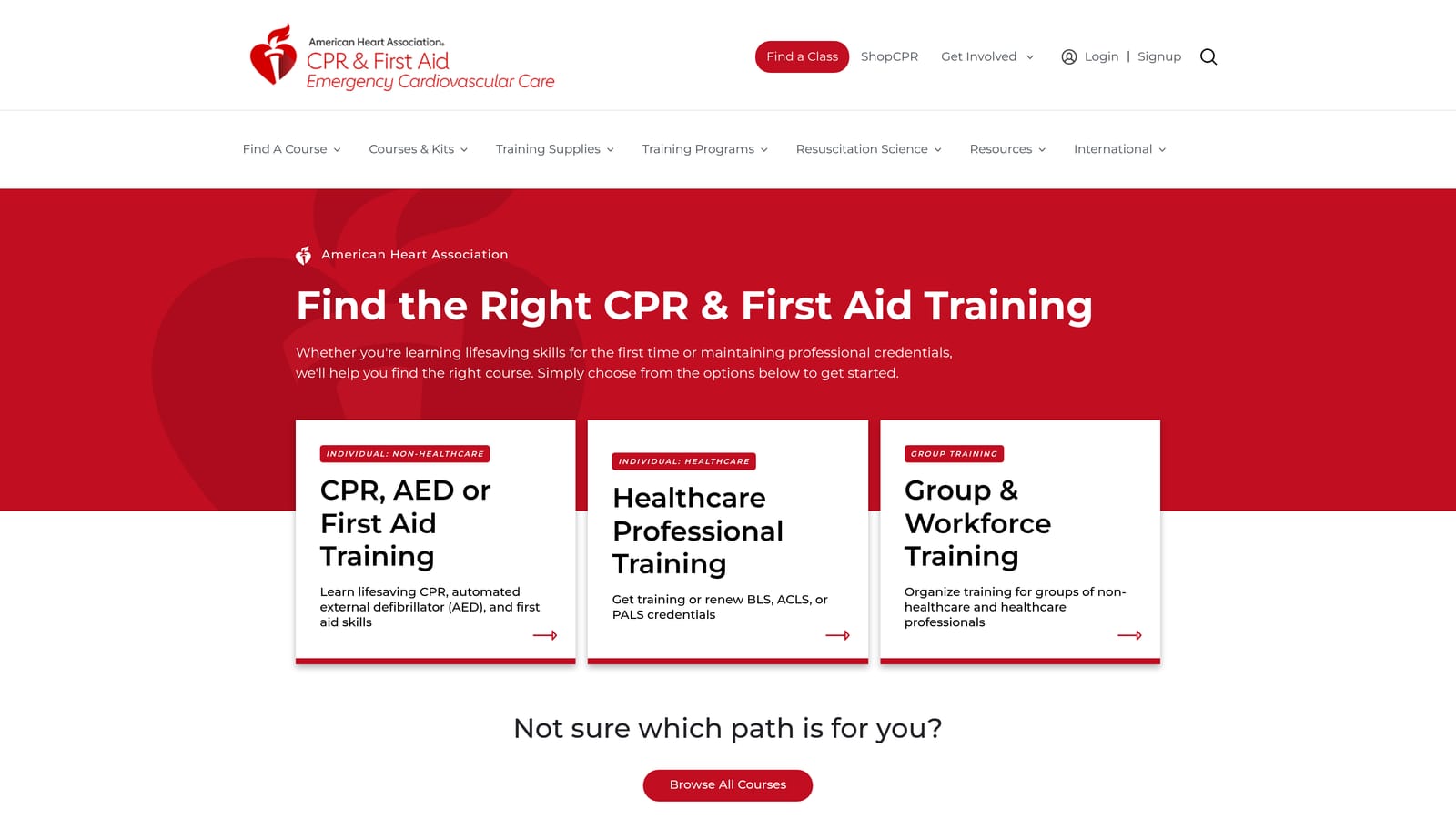
Its distinct value is direct access to the source: the organization that publishes the resuscitation guidelines and issues the cards many hospitals require. Using the locator, you can search for BLS, ACLS, PALS, or Heartsaver courses and see which centers run them.
- A course locator that shows authorized centers near you instead of unverified listings.
- HeartCode blended learning, which lets you finish the online portion at your own pace before a hands-on skills session.
- BLS, ACLS, and PALS options for clinical roles.
- Heartsaver courses for workplaces and lay responders.
Setup effort is the highest on this list because the work shifts to you. You will need to contact centers, ask whether they travel, and compare their group terms. There is no integration layer, and each center manages its own scheduling and rosters. That is also the main limitation: mobile service varies by center, and some centers only teach at their own facility. Prices are set by each Training Center, so quotes can differ noticeably for the same course. Check current figures with the center as of 2026.
Best for: Buyers who want to locate an authorized AHA center themselves.
4. National CPR Foundation
National CPR Foundation is an online-focused provider of CPR, BLS, ACLS, and PALS certification. It is designed for self-directed learners who want to finish coursework on their own time, often with a short turnaround.
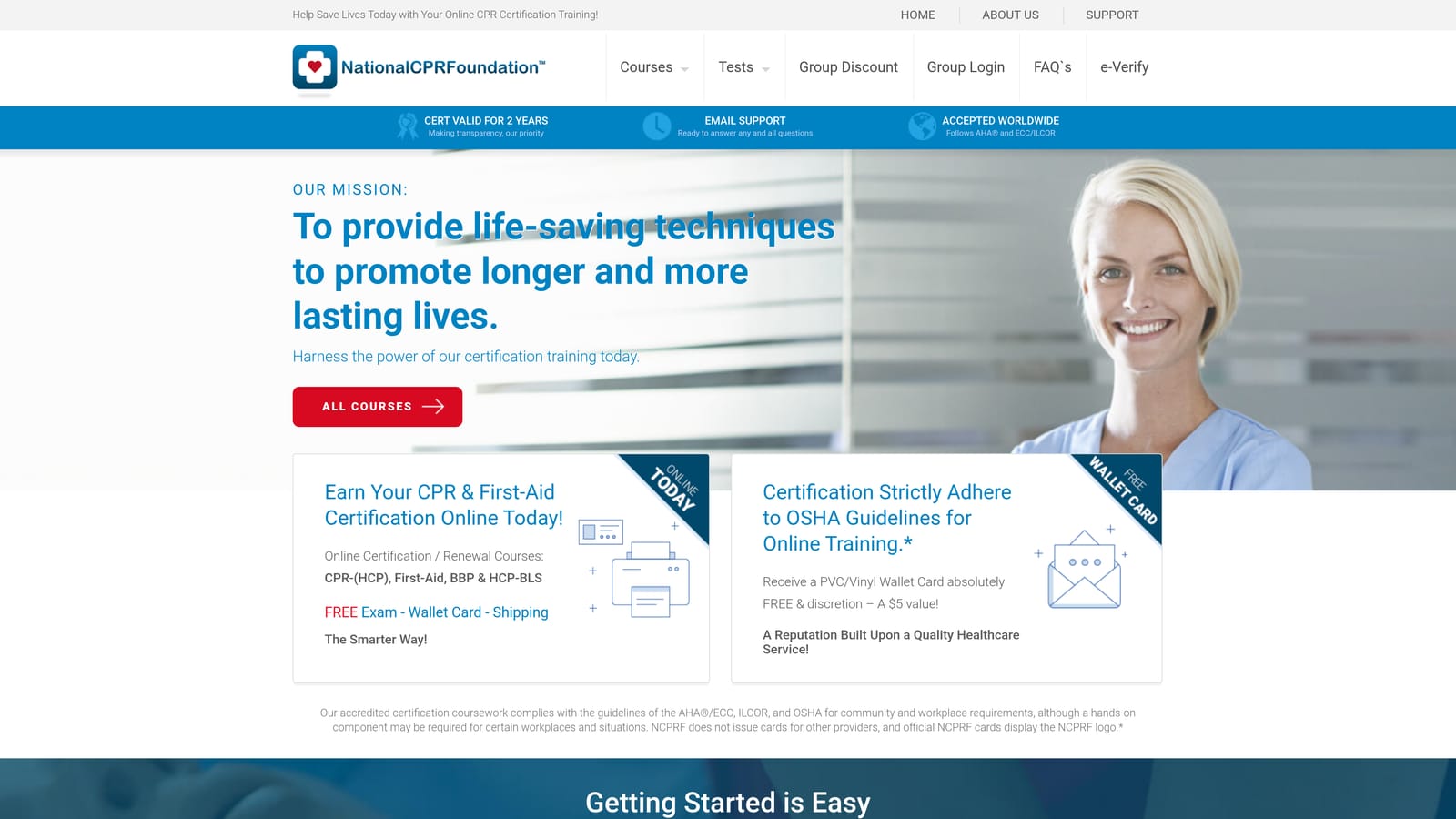
Its distinctive strength is speed and flexibility. Nothing else on this list is as oriented toward self-paced, online-first completion, and no instructor needs to travel anywhere. For someone with a flexible employer and a renewal deadline, that can be the quickest route.
- Online CPR, BLS, ACLS, and PALS courses that cover a broad range of roles.
- Self-paced learning so you can stop and resume around shifts.
- Optional skills components for learners whose employers want some hands-on element.
Setup is minimal: you sign up, study, and complete the assessment online. There is no group coordinator role unless you are enrolling a team. The limitation matters a great deal. These are not AHA cards, and acceptance varies by employer. Many healthcare employers and licensing boards require an in-person skills check, and the AHA requires hands-on skills for its own cards. Confirm acceptance in writing before you pay. Fees are listed on its website as of 2026 and may vary by course.
Best for: Self-directed learners whose employer accepts online-only cards.
5. HSI (Health & Safety Institute)
HSI is the organization behind the ASHI and MEDIC First Aid brands, and it delivers training through a network of authorized instructors. It is aimed at employers who need to satisfy workplace safety and first aid requirements across staff.
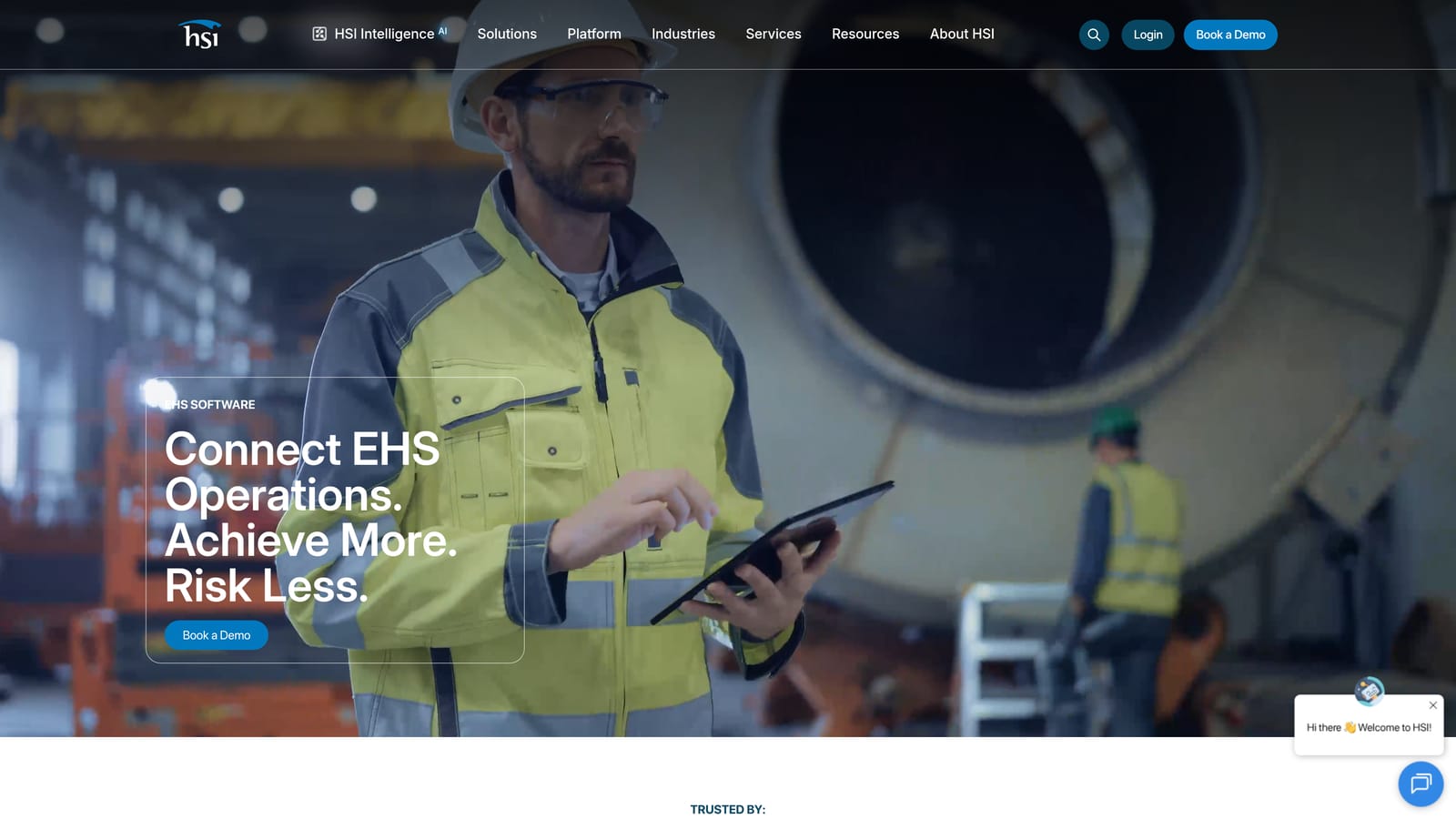
The standout is its compliance orientation. Beyond CPR, HSI offers programs aligned with workplace safety expectations, and its wide instructor network means a local trainer may be able to come to your site.
- CPR and first aid courses suited to general workplace coverage.
- BLS for staff in healthcare-adjacent roles.
- OSHA-oriented workplace programs that help safety managers document training.
- An authorized instructor network that gives you many local providers to choose from.
Because HSI delivers through independent instructors, setup depends on who you hire. You find an instructor, agree on terms, and typically manage scheduling directly with them. The limitation is that mobile availability depends on the local instructor, and the quality and flexibility of the experience can differ from one to the next. Cards are ASHI or MEDIC First Aid, not AHA, so check whether your industry accepts them. Prices are set by the local instructors and vary by course and group size, so request quotes as of 2026.
Best for: Employers needing workplace safety and first aid compliance.
6. CPR Select
CPR Select is a regional provider offering AHA-aligned CPR courses at client locations. It is designed for workplaces that want an instructor to arrive on a set date and train a group without anyone leaving the building.
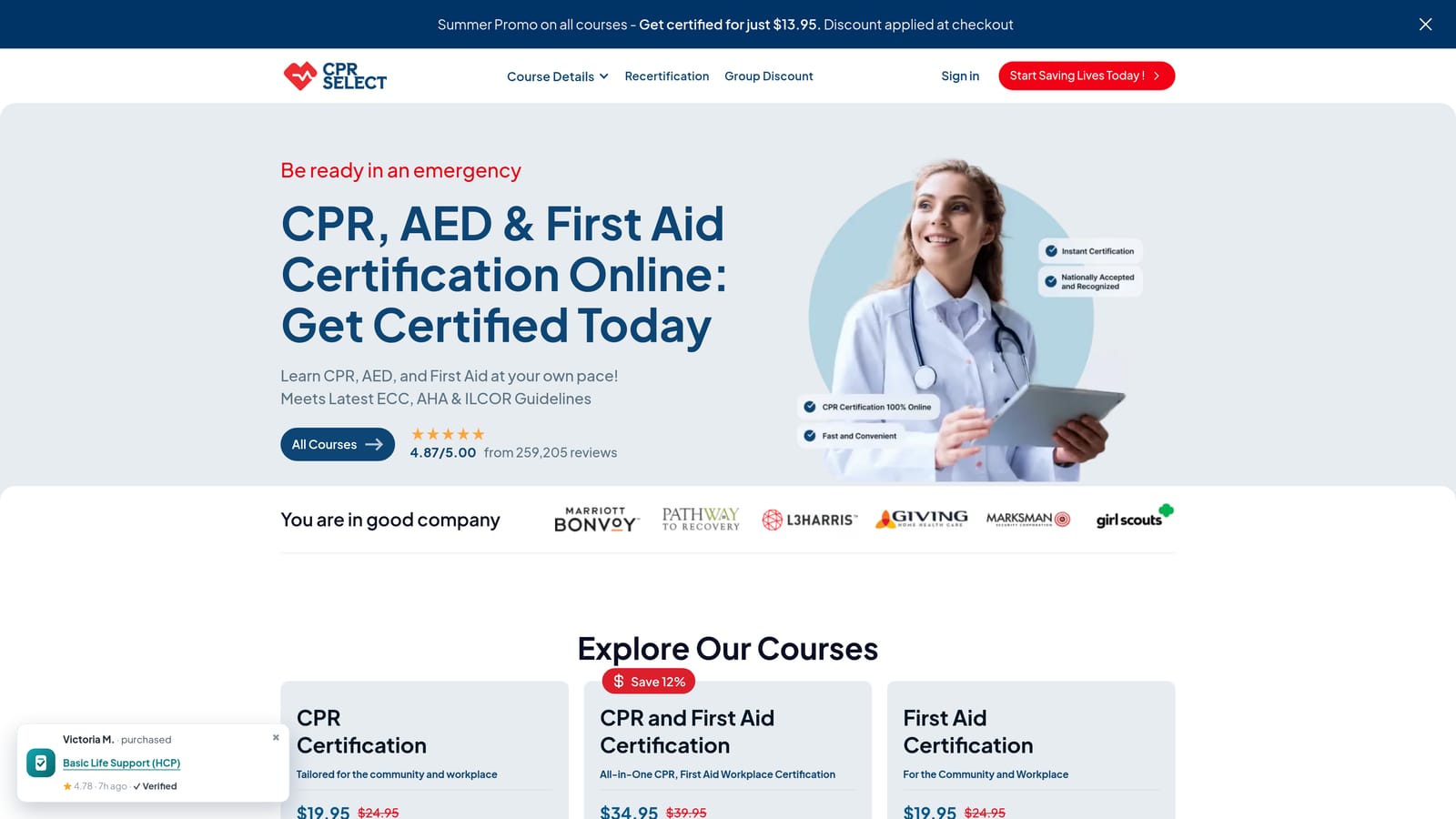
What it does differently from most options here is organize the whole service around group bookings. That makes it a straightforward choice for a business that wants one date, one roster, and one invoice.
- Onsite classes that remove travel time and keep staff close to their work.
- Group scheduling that fits a team into a single session or a few staggered ones.
- CPR and BLS courses covering both general workplace and clinical needs.
Setup is a quote request followed by scheduling. The day-to-day coordination usually sits with an office manager or HR lead, and there are no integrations to configure. The main limitation is coverage: it serves a local region, so you must verify that it reaches your area. Also confirm who issues the card, since "AHA-aligned" is not the same as an AHA card, and your employer may need one specifically. Pricing is quote-based, and group size and location are the likely factors, so ask for a written quote as of 2026.
Best for: Small and mid-size workplaces within its service region.
7. Local Fire Department and EMS Community CPR Programs
Many municipal fire departments and EMS agencies teach community CPR, and some will travel to external sites. A starting point for finding resources is the U.S. Fire Administration, though the actual classes are run by your local agency.
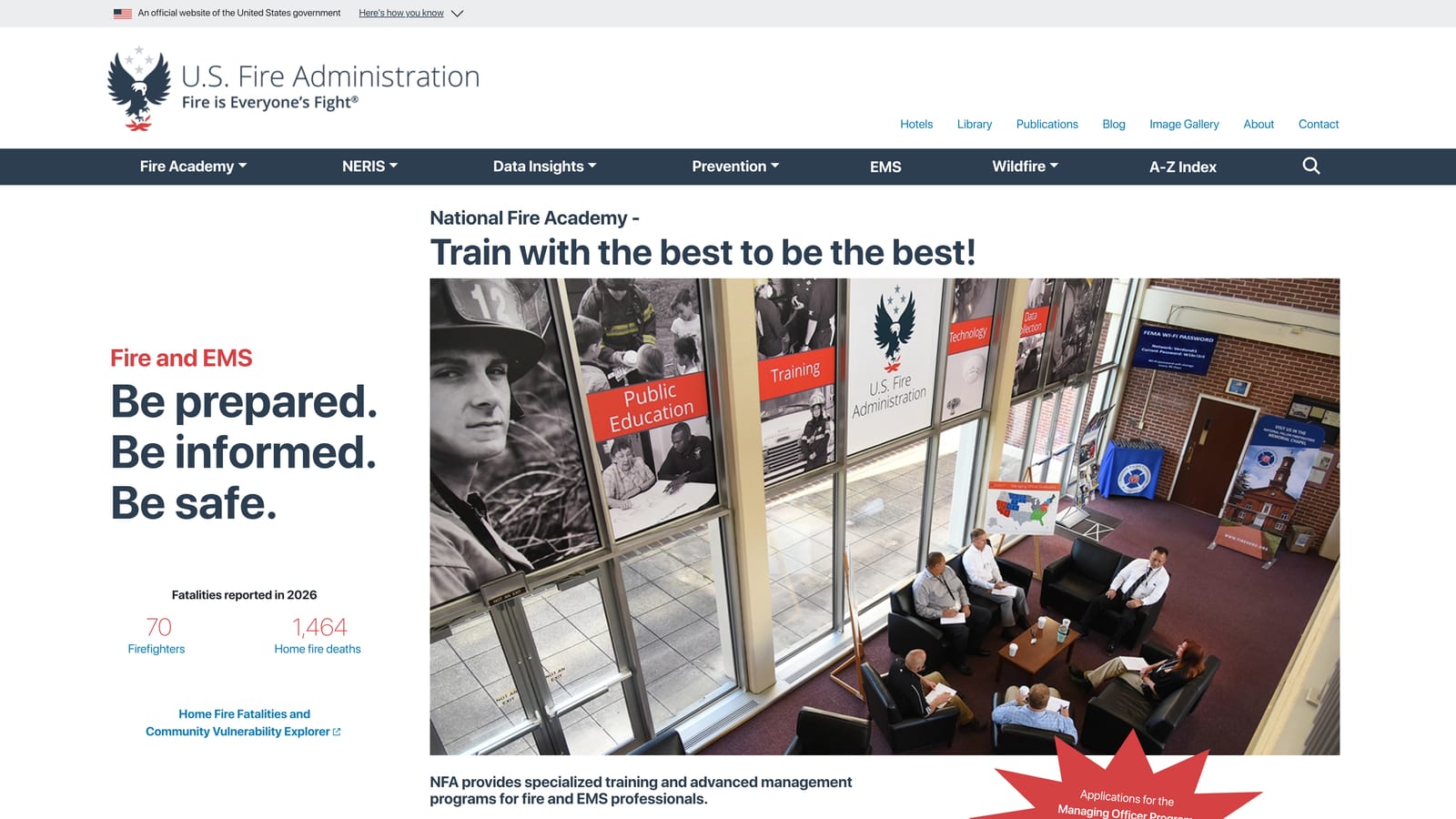
The distinctive advantage is instruction from active emergency responders at low or no cost. Learners hear real call experience, and a church group or neighborhood association can often arrange a session for far less than a commercial provider charges.
- Community CPR classes aimed at lay rescuers and everyday settings.
- Experienced EMS instructors who can answer practical questions from real incidents.
- Low-cost or free options that suit tight budgets.
Setup is informal: call or email the department's community education contact and ask what they offer. Programs are usually staffed by crews who teach alongside their regular duties. That is the core limitation. Schedules are limited, classes may be canceled when crews are on calls, and the card type varies by agency, so a class may not produce a card your employer accepts. Do not assume it will work for healthcare credentialing. Cost is set by the local agency and is often low or free, but confirm as of 2026.
Best for: Community groups, churches, and budget-conscious lay rescuers.
8. NAEMT Affiliated Training Sites
NAEMT is the National Association of Emergency Medical Technicians, and its affiliated training sites teach courses such as AMLS (Advanced Medical Life Support), PHTLS (Prehospital Trauma Life Support), and EPC (Emergency Pediatric Care). It is a different category from the rest of the list, and it is meant for EMS professionals.
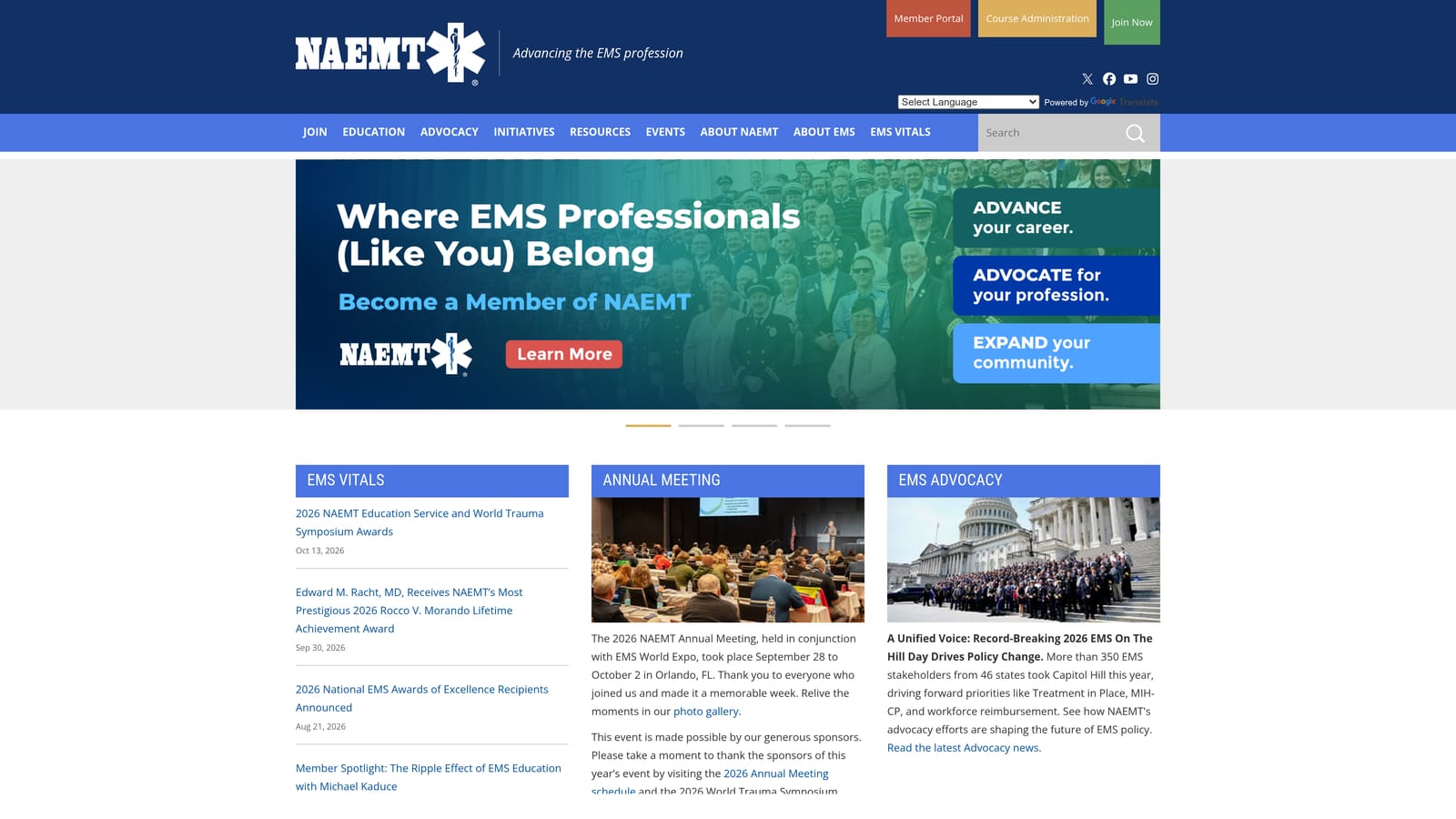
Its standout is EMS-specific advanced education. Where other providers focus on resuscitation basics, NAEMT courses address patient assessment and management in prehospital settings, such as trauma and medical emergencies.
- AMLS, which builds assessment and treatment skills for medical emergencies.
- PHTLS, which focuses on trauma care in the field.
- EPC, which addresses care of ill and injured children.
- Affiliated training sites that let agencies find an approved host or instructor.
Agencies typically work with a training coordinator who contacts an affiliated site about hosting a class. There are no software integrations. The limitation is audience: these courses are aimed at EMS clinicians, not general public CPR, and they do not replace a BLS card. Some sites will host at an agency's station, but that depends on the site. Pricing is set by each site and varies with course and enrollment, so confirm current costs as of 2026. Verify exact course names and prerequisites with the site before booking.
Best for: EMS agencies and prehospital clinicians.
Choosing the Right Provider for Your Situation
Three picks stand out depending on what you need. For home visits, accommodations, or healthcare staff who must hold AHA cards, Best Emergency Services Training is the strongest fit, particularly when speed and individual attention matter. For a small office that wants one onsite date and a simple group booking, CPR Select or an HSI instructor can work, provided you confirm coverage and card issuer. For tight budgets, a local fire department or EMS program is hard to beat, and for EMS-specific education beyond a CPR card, NAEMT sites are the right place to look.
Before you book anything, confirm card acceptance with your employer or licensing board. Fully online cards are not accepted everywhere, and not every CPR card is equivalent. Ask for the requirement in writing, then match the provider to it.
Don't let certification deadlines stress you out. Get your AHA, ECSI or HSI-certified CPR training completed quickly with flexible scheduling that works around your life. Schedule your personalized training session today and join the thousands of individuals and businesses who trust B.E.S.T. for fast, convenient certification with expert instructors.